Oil, Gas & Petrochemical
PTW, WPR, AGT, H₂S, confined space, hot work, LOTO, lifting and shutdown readiness.
 PESS
Pakistan
Where You Learn. Certify. Lead.
PESS
Pakistan
Where You Learn. Certify. Lead.
This page is only for PESS corporate training. No international qualifications, no awarding-body course mix and no learner package content. Choose practical training by work activity, hazard and workforce role.
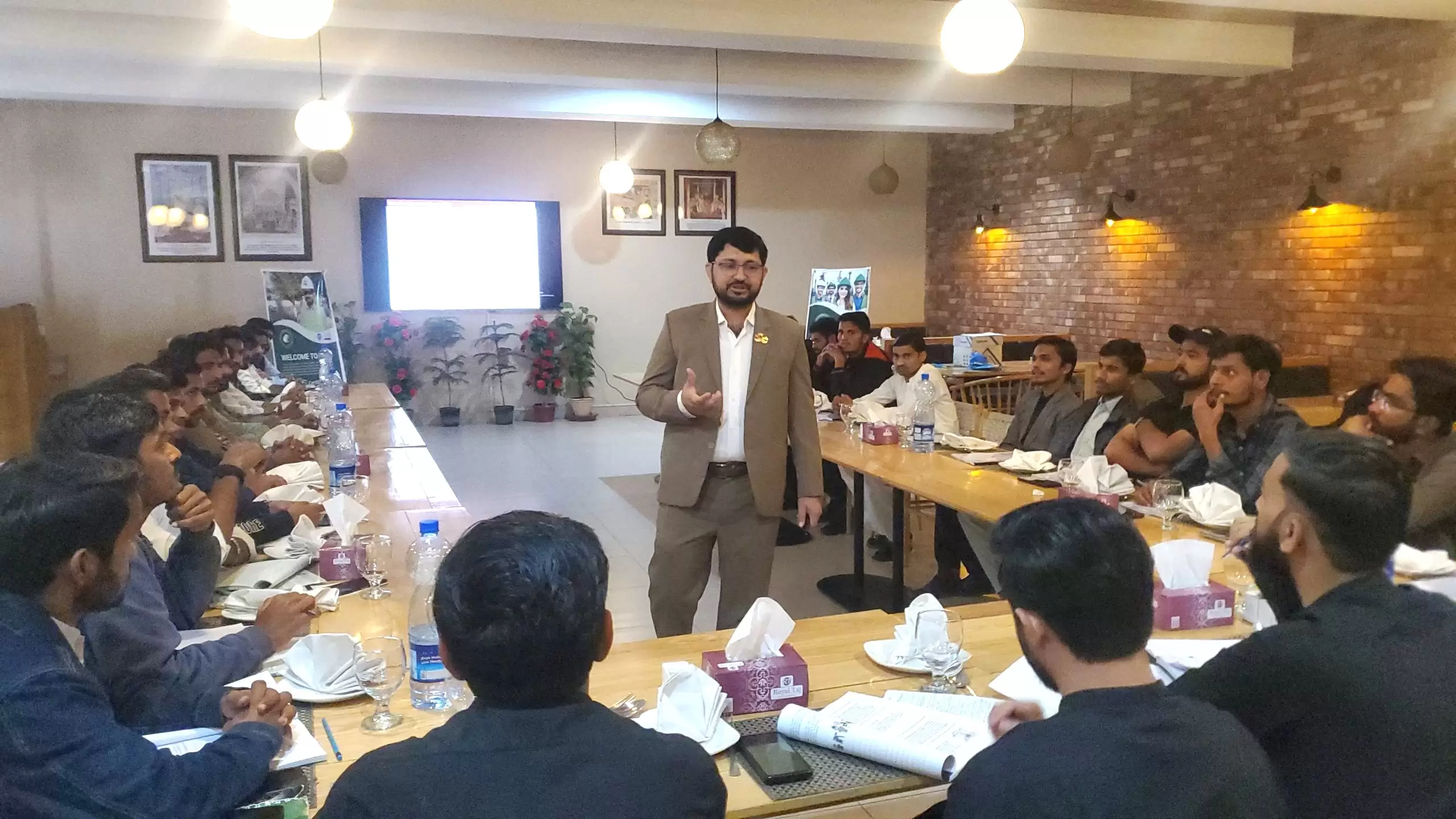
Course content can be aligned with your hazards, SOPs, permit system, contractor requirements and project scope.
Successful participants receive a PESS Certificate of Completion subject to the agreed attendance and assessment requirements.
PESS can deliver focused training for employees, contractors, supervisors, project teams and shutdown crews across these major sectors.
PTW, WPR, AGT, H₂S, confined space, hot work, LOTO, lifting and shutdown readiness.
Work at height, scaffolding, excavation, lifting, mobile plant, fire and site supervision.
Machine safety, LOTO, chemical safety, fire safety, ergonomics, PPE and incident prevention.
Electrical safety, permit systems, isolation, work at height, emergency response and maintenance safety.
Hot work, lifting, confined space, dust, machine safety, maintenance and contractor control.
Forklift, loading/unloading, traffic safety, manual handling, fire safety and emergency response.
Hot work, lifting, rigging, confined space, fire safety, PTW and contractor safety.
Fire warden, first aid, electrical awareness, permit control, contractor safety and emergency drills.
Chemical safety, spill response, fire safety, ergonomics, first aid and emergency preparedness.
Machine safety, chemical handling, manual handling, fire safety, warehouse and emergency training.
Work at height, harness use, electrical awareness, rescue awareness, driving and field safety.
Fast-track PTW, WPR, LOTO, fire watch, gas testing, confined space, lifting and contractor mobilization.
Choose the work-risk category on the left, then open any course to view its target workforce, overview, learning topics, assessment, duration, delivery options and PESS certificate details.
Core corporate controls for high-risk work, permits, risk assessment, simultaneous activities and energy isolation.
Understand how a permit-to-work system controls hazardous work from authorization to closeout.
Supervisors, permit teams, operations, maintenance and HSE personnel
Knowledge check + permit scenario
Prepare permit receivers to understand permit conditions, maintain controls and communicate effectively during work.
Permit receivers, contractors, maintenance teams and HSE personnel
Knowledge assessment + WPR scenario
Strengthen work authorization, area control, isolation verification and permit decision making.
Operations supervisors, area authorities, permit issuers and HSE teams
Knowledge assessment + authorization scenario
Build practical hazard identification, risk ranking and control-selection skills.
Supervisors, engineers, HSE personnel and team leaders
Risk-assessment exercise
Break work into steps, identify task hazards and define job-specific controls before work starts.
Supervisors, work leaders, maintenance and project teams
JSA exercise + knowledge check
Understand how simultaneous activities interact and how conflicts are controlled across shared work areas.
Operations, maintenance, project and HSE teams
Scenario-based assessment
Control hazardous energy before servicing, maintenance and intrusive work.
Maintenance staff, electricians, operators and supervisors
Knowledge assessment + isolation scenario
High-risk entry controls, atmospheric testing, standby duties, toxic-gas awareness and respiratory protection.
Understand confined-space hazards, permits, isolation, atmospheric risks and emergency readiness.
Entrants, supervisors, permit teams and HSE personnel
Knowledge assessment + entry scenario
Prepare standby personnel to control entry, maintain communication and escalate abnormal conditions.
Standby personnel, attendants and confined-space support teams
Knowledge check + role scenario
Develop stronger oversight of permits, isolations, atmospheric records and rescue readiness.
Supervisors, permit teams and HSE personnel
Supervisor scenario
Develop knowledge to test and interpret workplace atmospheres using suitable gas-detection equipment.
Gas testers, PTW teams and HSE technicians
Knowledge assessment + gas-test scenario
Use portable gas detectors correctly within equipment and site-procedure limits.
Operators, supervisors and maintenance staff
Knowledge check
Recognize hydrogen sulphide hazards, alarms, exposure effects and safe escape actions.
Oil & gas workers, drilling crews, maintenance teams and visitors
Knowledge assessment
Understand respiratory hazards and safely inspect, don, use and care for SCBA equipment.
Emergency teams and high-risk workers
Knowledge + practical demonstration
Practical fire prevention, hot-work control, evacuation, emergency-team and first-response training.
Prepare fire watchers to monitor hot work, control combustibles and respond to unsafe conditions.
Fire watchers, hot-work teams and permit personnel
Knowledge check + hot-work scenario
Control ignition, sparks, combustibles, gas cylinders and area conditions during hot work.
Welders, cutters, maintenance teams and supervisors
Knowledge assessment
Support evacuation, area sweeps, communication and assembly-point control during fire emergencies.
Wardens, supervisors, security and facilities teams
Knowledge check + drill scenario
Recognize fire classes and select portable extinguishers for safe first response.
Employees, emergency teams and supervisors
Knowledge + practical demonstration
Clarify emergency roles, communication, scene control and coordinated response.
ERT members, supervisors, security and HSE teams
Scenario-based assessment
Build workplace first-response skills for common injuries and medical emergencies.
First aiders, supervisors and HSE teams
Knowledge + practical first-aid checks
Recognize cardiac arrest and understand CPR and AED response steps.
First aiders, emergency teams and employees
Knowledge + practical demonstration
Fall prevention, harness use, scaffold inspection and supervision for construction, maintenance and shutdown work.
Apply fall-prevention principles when planning and performing work at elevation.
Height workers, supervisors and contractors
Knowledge assessment
Select, inspect, fit and use full-body harnesses and connectors correctly.
Harness users, supervisors and access teams
Knowledge + practical fitting
Understand fall restraint, arrest, suspension risk and rescue planning.
Height workers, supervisors and rescue-support teams
Scenario-based assessment
Recognize basic scaffold safety features and avoid using incomplete or unsafe access structures.
Scaffold users and supervisors
Knowledge check
Develop a systematic approach to scaffold inspection and defect identification.
Scaffold inspectors and HSE personnel
Inspection exercise
Strengthen planning, team control, inspection interfaces and safe erection supervision.
Scaffold supervisors and foremen
Supervisor scenario
High-demand lifting, rigging, crane, signalling and industrial-truck training for projects and operations.
Build basic understanding of slings, accessories, load control and safe rigging practices.
Entry-level riggers and helpers
Knowledge + practical rigging check
Develop stronger rigging selection, sling-angle and load-control competence.
Experienced riggers and lifting crews
Knowledge + scenario assessment
Develop advanced awareness for complex lifting arrangements and team leadership.
Senior riggers and rigging foremen
Advanced scenario assessment
Coordinate lifting and vehicle movement through clear signals and safe positioning.
Banksmen, slingers, signalers and drivers
Knowledge + practical signals
Plan and supervise lifting work by confirming people, equipment, ground and communication readiness.
Lifting supervisors, rigging foremen and HSE teams
Supervisor scenario
Recognize crane-operation hazards and required controls around lifting zones.
Crane teams, supervisors and HSE personnel
Knowledge check
Understand stability, loading, pedestrian interaction and operating precautions.
Forklift operators, warehouse teams and supervisors
Knowledge + practical check where available
Site, excavation, demolition, plant, traffic and temporary-works safety for civil and infrastructure projects.
Build broad awareness of common construction hazards and expected site-control behaviours.
Workers, supervisors and contractors
Knowledge check
Recognize collapse, utility, access and atmospheric hazards associated with excavation work.
Civil crews, supervisors and HSE personnel
Knowledge assessment
Strengthen supervisory checks for excavation stability, access, utilities and changing conditions.
Excavation supervisors and engineers
Supervisor scenario
Understand structural, falling-material and service-isolation risks during demolition.
Demolition crews, supervisors and engineers
Knowledge assessment
Reduce vehicle interaction risk through route design, segregation and reversing controls.
Construction, logistics and site teams
Knowledge + site scenario
Recognize blind spots, ground conditions and interaction hazards around heavy mobile equipment.
Operators, spotters and supervisors
Knowledge check
Electrical hazards, machine safety, tools, pressure and mechanical-energy control for maintenance and operations.
Recognize common electrical hazards and basic controls for work near energized systems.
Electrical workers, non-electrical staff and supervisors
Knowledge check
Understand arc-flash risk, exposure boundaries and controlled electrical work practices.
Electricians, engineers and HSE personnel
Knowledge check
Plan and verify safe isolation before opening process lines or equipment.
Maintenance, operations and permit teams
Knowledge + scenario
Recognize dangerous machine movement and maintain effective guarding and safe access.
Operators, maintenance and engineers
Knowledge check
Reduce injury risk through correct tool selection, inspection and use.
Maintenance, construction and workshop teams
Knowledge check
Recognize body-position hazards, pinch points and stored-energy exposure.
Maintenance, lifting and construction teams
Scenario-based assessment
PPE, chemicals, heat, noise, ergonomics and respiratory-hazard awareness for workforce health protection.
Select, inspect and use personal protective equipment as the final layer of risk control.
All employees, supervisors and stores teams
Knowledge + PPE demonstration
Interpret labels and safety data sheets and apply safe chemical handling controls.
Laboratory, warehouse, production and HSE teams
Knowledge assessment
Recognize heat illness and use hydration, work-rest and acclimatization controls.
Outdoor workers, construction and oil & gas teams
Knowledge check
Understand noise exposure, hearing risk and basic hearing-conservation controls.
Industrial workers, supervisors and HSE personnel
Knowledge check
Reduce strain and musculoskeletal risk through better lifting and task setup.
Warehouse, office, healthcare and production teams
Knowledge + practical demonstration
Recognize harmful airborne dust and apply source-control and respiratory-protection measures.
Construction, cement, mining and fabrication teams
Knowledge assessment
Supervisor capability, inspections, incident investigation and workplace safety leadership for stronger HSE performance.
Strengthen front-line planning, communication, monitoring and intervention skills.
Supervisors, foremen and team leaders
Knowledge + supervisor scenario
Connect leadership behaviour, accountability and decision making with HSE performance.
Managers, department heads and project leaders
Leadership case study
Collect evidence, identify causes and develop actions that prevent recurrence.
HSE staff, supervisors and investigation teams
Investigation case study
Move beyond immediate causes to identify system weaknesses.
HSE professionals, engineers and managers
Case study
Plan and conduct focused workplace inspections and follow corrective actions to closure.
HSE staff, supervisors and safety representatives
Practical inspection exercise
Improve short safety briefings so hazards, controls and workforce feedback are clearly understood.
Supervisors, foremen and team leaders
Practical briefing exercise
Practical corporate environmental awareness and workforce wellbeing topics for modern organizations.
Build awareness of workplace environmental aspects, impacts and control responsibilities.
Employees, supervisors and operations teams
Knowledge check
Improve segregation, storage, labelling and disposal practices for workplace waste.
Facilities, production and warehouse teams
Knowledge check
Prevent releases and respond safely to small spills within site procedures.
Chemical, warehouse, maintenance and HSE teams
Scenario-based assessment
Identify practical opportunities to reduce energy, water and material waste.
Managers, facilities and operations teams
Knowledge check
Recognize stress and fatigue signs and understand basic work-rest and support practices.
Supervisors, shift workers, drivers and office teams
Knowledge check
Build awareness of respectful work, psychosocial hazards and basic support mechanisms.
Managers, HR, supervisors and workforce teams
Knowledge check
The aim is practical workforce readiness, stronger supervision and better control of operational risk—not unnecessary course volume.
Train people against the hazards, responsibilities and controls connected to their actual jobs.
Strengthen PTW, energy isolation, confined-space, lifting, fire and work-at-height discipline.
Prepare contractor teams before mobilization, shutdown work and project execution.
Develop supervisors who can plan, brief, monitor and intervene more effectively.
Maintain attendance, assessment and PESS certificate records for workforce development.
Adapt course examples and scenarios around your SOPs, hazards, permits and work environment.
PESS can shortlist the right courses, build a role-based training matrix and plan on-site, classroom or live-online delivery for your workforce.